


Zinc is effective against hepatitis C, influenza, colds and other virus infections
 The mineral zinc has demonstrated a surprising ability to help the liver fight virus infections and prevent tissue damage caused by chronic liver diseases. By regulating a specific protein, zinc both strengthens the immune defense and counteracts undesirable inflammation. This was shown in a new Australian study headed by scientists from Westmead Institute for Medical Research.
It also turns out that minor to moderate zinc deficiencies are rather common. Most importantly, sugar, birth control pills, inorganic iron supplements, and ageing processes impair the body’s ability to absorb zinc. Moreover, it is often difficult to get enough zinc from vegetarian and vegan diets. Being zinc-deficient takes its toll on the immune system and the liver, but also has a negative impact on the countless enzyme processes that involve zinc.
- Created on .
 Polycystic ovary syndrome (PCOS) is the leading cause of infertility and hormone disturbances in women of childbearing age. The condition is often a result of insulin resistance, an imbalance in the sugar metabolism that is typically accompanied by fatigue, abdominal obesity (apple-shaped body), overweight, and an increased risk of cardiovascular disease and type-2 diabetes. It makes perfect sense to stick with a blood sugar-stabilizing diet and to include a chromium supplement that increases insulin sensitivity and helps, indirectly, regulate the hormone balance. As a bonus effect, it becomes a lot easier to obtain and maintain your ideal weight.
 Lack of magnesium makes your bones weak. However, according to a study published in the European Journal of Epidemiology, if you increase your magnesium intake from food or supplements, you can prevent bone fractures, which is a common problem among middle-aged and old people. Although calcium and vitamin D are normally touted as being important for strong bones, it is equally important to get enough magnesium and to generally be aware of factors such as diet, medicine consumption, and lifestyle, all of which can deplete levels of this essential mineral.
 Recent studies reveal that vitamin D and omega-3 fatty acids are able to prevent and ameliorate a number of neurological ailments such as depression, ADHD, bipolar disorder, autism, and schizophrenia. There is evidence suggesting that vitamin D and omega-3 fatty acids work by controlling the synthesis of serotonin in the brain. The listed neurological conditions are all characterized by defects in the body’s synthesis of this important neurotransmitter. It is therefore vital to get plenty of sunshine, vitamin D, and omega-3 fatty acids, as widespread deficiencies in all three most likely contribute to the increasing rate of different neurological disorders.
 Zinc supplements help your immune defense fight colds faster. This was seen in a Finnish meta-analysis where the majority of cold-ridden subjects who took supplements had recovered from their colds after five days, as opposed to those who did not take extra zinc. It is important to choose high-quality zinc supplements, which the body is able to absorb. Moreover, it is vital that the dose is sufficiently high during those days where the immune system actively fights the cold. High-dosed zinc supplementation is not encouraged for therapeutic use in other cases.
 Research conducted over the past decades reveals that vitamin D plays a major role in the brain and nervous system. Now, a Finnish study published in Scientific Reports links vitamin D deficiencies to chronic headaches. Vitamin D deficiencies are becoming increasingly common because we spend too much time indoors. Even during the summer period, it seems that we are unable to produce enough vitamin D because of our exaggerated use of sun cream. Sunlight is the best source of vitamin D and it is therefore important that you expose yourself to enough sunlight to ensure adequate vitamin D synthesis (without getting burned.)
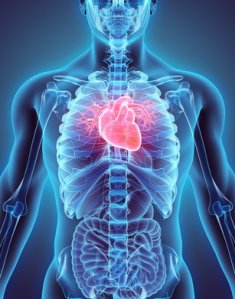 Zinc is a trace element that is necessary for around 300 enzymes that control the thyroid gland, fertility, the nervous system, the immune system, and a number of other functions. A team of scientists from the Technical University of Munich (TUM) has found a close link between the body’s zinc status and cardiac function. Although clinical zinc deficiencies are rare, short-term subclinical zinc deficiencies are more widespread than previously thought. Even a minor zinc deficiency may affect cardiac health and the countless enzyme processes that depend on the presence of zinc. Besides, zinc is a powerful antioxidant that protects cells against oxidative stress. There are many reasons why it is important to get enough of this nutrient.
 The low spring sun and bright sunlight can trigger a migraine attack. According to a new report, migraines may also be caused by a lack of vitamin D, which are common during the spring period. The combination of both is therefore rather unfortunate. Earlier and more recent studies show that lack of Q10, magnesium, and B vitamins can also trigger migraines, a condition that makes life miserable for millions of people. What is important is to detect and avoid the things that seem to cause these attacks and, at the same time, make sure to compensate for the nutrients, which the cells are lacking, in order to help the nervous system, the hormone system, and the cardiovascular system function properly.
 Omega-3 fatty acids are known to positively support chemotherapy by maintaining body weight and muscle mass. According to a new study that is published in the esteemed science journal, Nutrition, omega-3 supplements can even reduce different side effects of chemotherapy.
 "After about one week of taking the Q10 supplement I could feel a huge difference," says 23-year old Alan Piccini, who has been suffering from extreme fatigue and muscle aches ever since he was a child.
 “Taking capsules with co-enzyme Q10 has freed me of the severe side effects of my cholesterol lowering medicine,” Mrs Franken explains.