


Lack of vitamin E is widespread
– especially among those with metabolic syndrome, an early stage of type-2 diabetes
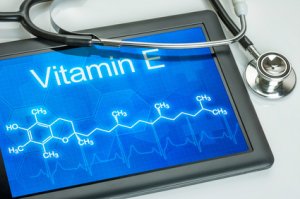 Millions of people who are overweight suffer from blood sugar imbalances and metabolic syndrome – often without being aware of it. A study shows that people with metabolic syndrome are severely vitamin E-deficient. This poses a serious threat to their health, as vitamin E is important for the liver, the cardiovascular system, the nervous system, and the body’s ability to protect its cells against oxidative stress and carcinogenic substances. The study, which is published in the American Journal of Clinical Nutrition, reveals that normal measurements of a person’s vitamin E status are misleading.
Read more about why people with metabolic syndrome are severely vitamin E-deficient
- Created on .
 We all know the importance of eating a healthy diet, exercising, getting sufficient sleep, and sunbathing with caution. Still, life is not always that simple, and even if we stick with the official guidelines for healthy living, it can often be challenging to get adequate amounts of the essential nutrients. Nonetheless, supplements are useful as compensation for these shortcomings. In fact, the use of such products can be compared with plant fertilizers that make plants look healthy, flourish and thrive
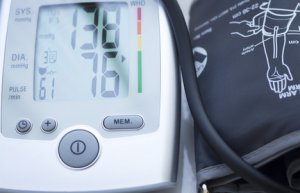 There is widespread potassium deficiency, and it is common knowledge that an increased potassium intake lowers the risk of hypertension, which is the leading cause of stroke, cardiovascular disease, and early death. However, not many people know that potassium has a vital impact on blood sugar levels and the prevention of diabetes, just as it counteracts side effects of diuretics. The question is how much potassium do we need – and how does the balance between potassium and sodium (salt) affect our health?
 It has been discussed whether it is calcium or vitamin D that improves women’s cholesterol balance. Earlier studies of women who use combined supplements have not been able to determine whether the positive effect is due to calcium or vitamin D. However, a study from Women’s Health Initiative (WHI) reveals that the effect is down to vitamin D. If you want strong bones and a healthy cardiovascular system, it is a good idea to combine both calcium and vitamin D with magnesium.
 Vitamin D supplements prevent colds, influenza, and intercurrent complications. This was seen in a large meta-analysis emphasizing that vitamin D is not only important for bone health but also for the immune system, which may require larger quantities. Because many old people or weakened individuals die of pneumonia, supplementing with vitamin D may potentially save millions of lives.
 Nowadays, fruit, potatoes, and vegetables in general contain very little vitamin C, and the majority of people fail to eat the recommended amount of these foods, in the first place. Unhealthy diets and lack of vitamin C increase the risk of colds, influenza, and other infections, simply because the immune system consumes large amounts of vitamin C in connection with the first explosive attacks that prevent virus from causing an infection. Vitamin C also has an important role in battling infections and preventing them from dragging on and leading to complications such as bronchitis or pneumonia.
 It is important for the health of the unborn child that the expecting mother keeps her vitamin D levels high during her entire pregnancy. According to a study from Southampton University, vitamin D supplementation is less effective, if a pregnant woman starts with low levels of vitamin D in the early stage of her pregnancy, has major and sudden weight gain, and gives birth during winter.
 According to a new study, hormone-disrupting substances like bisphenol-A and phthalates can lower levels of vitamin D in the bloodstream. During the winter period, it is a problem to get enough vitamin D to begin with, as the sun sits low in the sky and we only get a limited amount of the nutrient from our diet. The combination of too little vitamin D and hormone-disrupting substances is rather unfortunate because lack of vitamin D increases the risk of infections, winter depression, diabetes, cardiovascular diseases, osteoporosis, and cancer.
 There is an increasing amount of science that links lack of vitamin D to autism. In a new study, 109 autistic children were given either a vitamin D supplement or placebo. According to the lead researcher, Dr. Khaled Saad, there was a distinct improvement in autism symptoms such as hyperactivity, social reclusion, and other function impairments in the children who took supplements of vitamin D, but not in the placebo group. The study is published in the Journal of Child Psychology and Psychiatry (2016).
 "After about one week of taking the Q10 supplement I could feel a huge difference," says 23-year old Alan Piccini, who has been suffering from extreme fatigue and muscle aches ever since he was a child.
 “Taking capsules with co-enzyme Q10 has freed me of the severe side effects of my cholesterol lowering medicine,” Mrs Franken explains.