


The link between low vitamin D levels in neonates and the development of schizophrenia later in life
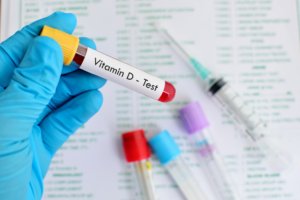 There are countless reasons why an expecting mother must make sure to get plenty of vitamin D to support the health of her child. Neonates that lack vitamin D are 44% more likely to develop schizophrenia later in life compared with neonates that do not have a vitamin D deficiency. This was demonstrated by Danish and Australian researchers in a recent study. This vital knowledge may help prevent schizophrenia in the future, and the scientists therefore recommend more focus on the importance of having adequate vitamin D levels during pregnancy.
- Created on .
 We need plenty of vitamin D for our bones and immune defense, for preventing cancer and so on, but if we lack magnesium, vitamin D does not work as expected. This is because magnesium is needed for activating vitamin D and enabling it to benefit the body’s cells and tissues. Magnesium also regulates blood levels of vitamin D, more specifically by increasing them if they are too low and lowering them if they are too high. This was demonstrated in a recent study from Vanderbilt University, the United States. The scientists call this highly important information, as there has been conflicting results from studies that compared blood levels of vitamin D in relation to colon cancer and various other diseases. Because magnesium deficiency is a widespread and overlooked problem, there is reason to believe that many people have difficulty with regulating levels of vitamin D in their blood. Also, they risk that their vitamin D does not have the desired effect in terms of preventing a host of different diseases.



 "After about one week of taking the Q10 supplement I could feel a huge difference," says 23-year old Alan Piccini, who has been suffering from extreme fatigue and muscle aches ever since he was a child.
 “Taking capsules with co-enzyme Q10 has freed me of the severe side effects of my cholesterol lowering medicine,” Mrs Franken explains.