


Magnesium can prevent and attenuate depression
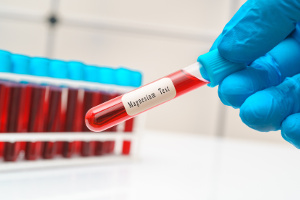 Depression is one of the largest health burdens worldwide. Although depression can be caused by a number of different things, a new Taiwanese study published in Nutrients suggests that having high blood levels of magnesium is linked to fewer signs of depression. The scientists describe how magnesium supports different enzymatic processes that are involved in the nervous system, the hormone system, and in brain receptors with a key role in depression. Unfortunately, there are things that deplete our magnesium levels such as stress, poor diets, and the use of different types of medicine. To make matters worse, having less magnesium impairs our ability to utilize vitamin D that is important for our mood.
Read more about how magnesium can prevent and attenuate depression
- Created on .
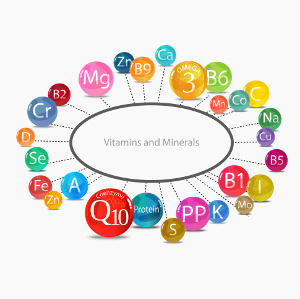 There are around 750,000 people in Denmark who take several medical drugs per day, and the number of users is on the rise. What many people are unaware of is that different drugs can disrupt the body’s ability to absorb or utilize one or several nutrients, especially things like B vitamins, vitamin C, vitamin D, vitamin K2, magnesium, potassium, calcium, zinc, iron, and coenzyme Q10. It is therefore vital to get sufficient amounts of the mentioned nutrients to reduce the risk of adverse effects.
 Cataracts is one of the leading causes of vision impairment and blindness. The risk is increased by old age and diabetes. According to a new study that is published in Frontiers in Nutrition, a relatively high selenium intake can protect against the disease. The scientists mention that because of selenium’s unique antioxidant properties this nutrient protects the cells in the eye and in other places against free radical damage and oxidative stress.
 Around one in six pregnancies results in spontaneous abortion. Although there can be different reasons for this, scientists have found that eating a healthy diet with lots of vegetables, fruit, fish, shellfish, eggs, and grains can lower the risk by over 50 percent. This was shown in a meta-analysis from the University of Birmingham in England. Earlier research shows that selenium, a trace element that many people are deficient in, plays a particularly important role.
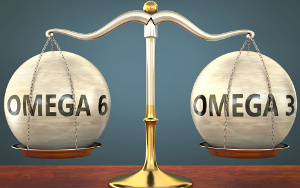 Omega-3 and omega-6 fatty acids are vital for our brain function, nervous system, and immune defense but small children get too little of these two essential fatty acids. According to a Canadian study, this increases their risk of chronic inflammation and chronic diseases. The intake of omega-3 from oily fish and shellfish is particularly limited. For children who dislike seafood, a fish oil supplement is worth considering for the sake of their health and development.
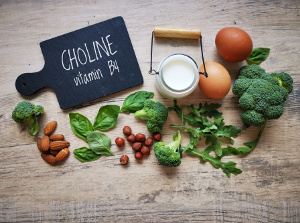 Choline is one of the B vitamins and is necessary for our central nervous system, energy turnover, lipid metabolism, and many other functions. It appears to be a somewhat forgotten nutrient, and science now links choline deficiency to Alzheimer’s disease and cardiovascular diseases, according to a study that is published in the journal Aging Cell.
 We have relatively large quantities of zinc in our central nervous system where it plays a vital role in various physiological and pathological processes. Zinc is also important for brain development, various gene activities, the formation of new neurons, and the immune defense. What is more, zinc is a vital antioxidant that protects the brain against calcification and cell damage caused by oxidative stress. Zinc deficiency is a global problem and may be involved in a number of different neurological diseases – including stroke, cognitive impairment, Alzheimer’s disease, and depression, according to a new review article that is published in Biomolecules.
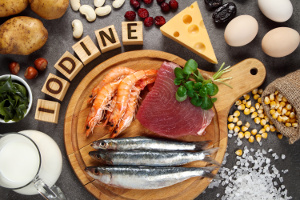 PFAS (per- and polyfluoroalkyl substances) are found in building materials, textiles, kitchen utensils, foam from fire extinguishers, and cosmetics. The compounds have even been found in certain foods. The massive PFAS pollution may impair the body’s ability to utilize iodine, especially by affecting thyroid hormones that are essential for our metabolism, according to an article published in Molecular and Cellular Endocrinology. Daily exposure to PFAS may also increase the risk of fetal damage, poor liver function, breast cancer, and other diseases. It also appears that PFAS poisoning increases the need for iodine.
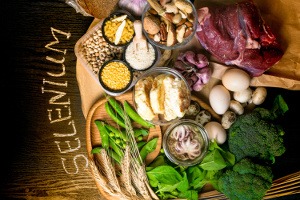 Cancer has become one of the leading causes of death, with rates going up every year. The diet plays a major role and there is a lot of focus on selenium as an anti-cancer agent – both in the form of selenium-enriched functional foods and selenium supplements. Around one billion people worldwide are believed to lack selenium. According to a review article that is published in Foods, however, taking a daily supplement of 100-200 micrograms of selenium yeast can prevent deficiency and reduce some of the most common cancers by fifty percent.
 "After about one week of taking the Q10 supplement I could feel a huge difference," says 23-year old Alan Piccini, who has been suffering from extreme fatigue and muscle aches ever since he was a child.
 “Taking capsules with co-enzyme Q10 has freed me of the severe side effects of my cholesterol lowering medicine,” Mrs Franken explains.